
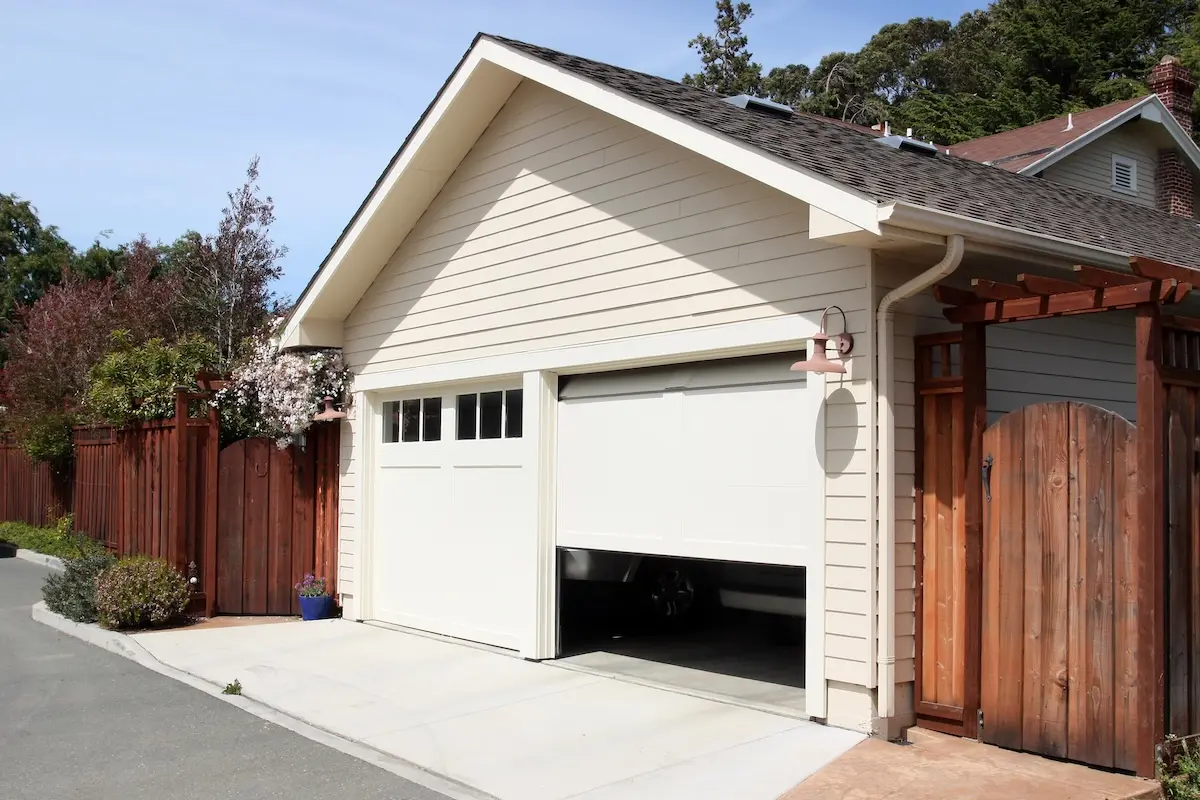
Finding your garage door stuck halfway open or refusing to budge is never a good way to start the day. Whether it’s caused by cold weather, an electrical issue, or mechanical wear, knowing what to check first can save time and frustration. While some fixes are simple enough for homeowners, others call for professional expertise from Genson Overhead Door.
- Quick checks: Many issues come down to blocked sensors or power interruptions.
- Safety first: Avoid forcing the door open—it can cause serious damage.
- Professional help: Technicians can safely handle spring, cable, and motor problems.
Why Your Garage Door Gets Stuck
Garage doors rely on precise balance between mechanical, electrical, and structural parts. When one piece fails, the whole system can stall. Understanding common causes helps you troubleshoot effectively.
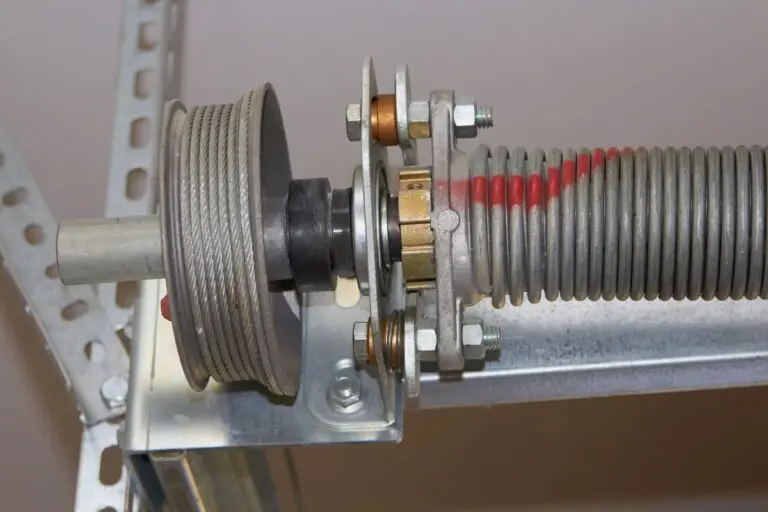
- Broken springs: When a torsion or extension spring snaps, the door won’t lift properly.
- Sensor misalignment: Safety sensors near the floor can stop the door from closing.
- Track obstructions: Debris, dirt, or dents in the tracks can block roller movement.
- Cold weather: Low temperatures can cause parts to contract and seize up.
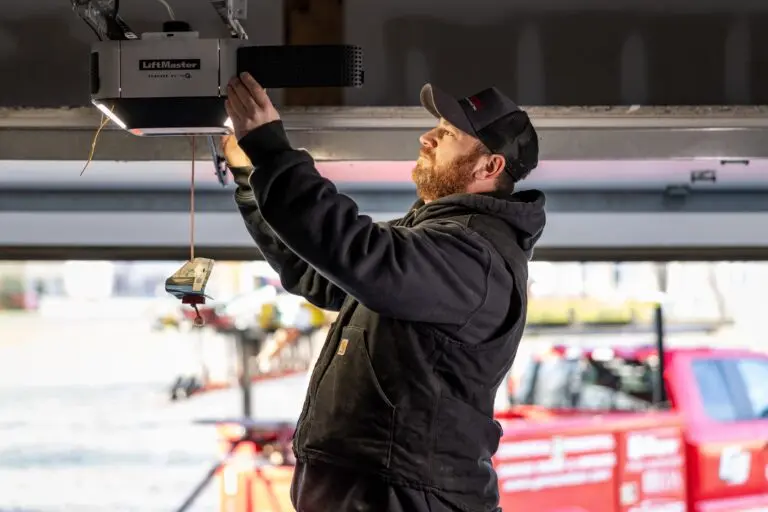
- Motor failure: The opener’s gears or wiring may need professional repair.
If your garage door refuses to move or jerks while opening, identifying the cause early prevents more extensive damage.
6 Fixes to Try Before Calling a Pro
These steps address the most common reasons for a stuck garage door. Work carefully, and never attempt high-tension repairs like springs or cables on your own.
1. Check the Power Source
It sounds simple, but loss of power is one of the most frequent reasons for a garage door malfunction.
- Unplugged opener: Ensure your opener is connected to a working outlet.
- Tripped breaker: Check your home’s electrical panel for a blown fuse.
- Remote batteries: Replace weak or dead batteries in your remote or keypad.
If the opener light doesn’t turn on or respond, it’s time for professional service.
2. Inspect the Tracks and Rollers
If the door feels jammed or uneven, debris in the tracks could be the problem.
- Dirt buildup: Use a dry cloth to remove dust and grit from tracks.
- Bent tracks: Minor bends can sometimes be straightened with gentle pressure.
- Roller wear: Replace cracked or warped rollers for smoother movement.
If the tracks are heavily bent or rollers have come off completely, leave the repair to a technician.
3. Examine the Sensors
Modern garage doors use safety sensors to prevent injury and property damage. When these sensors malfunction, they can stop your door mid-cycle.
- Clean the lenses: Dust or cobwebs can interfere with the infrared beam.
- Check alignment: The lights on both sensors should glow steadily.
- Look for obstructions: Boxes, tools, or leaves near the sensors can trigger a false stop.
If cleaning and alignment don’t help, the sensors may need replacement.
4. Lubricate Moving Parts
Friction is a leading cause of stuck garage doors. Proper lubrication reduces wear and keeps your system quiet.
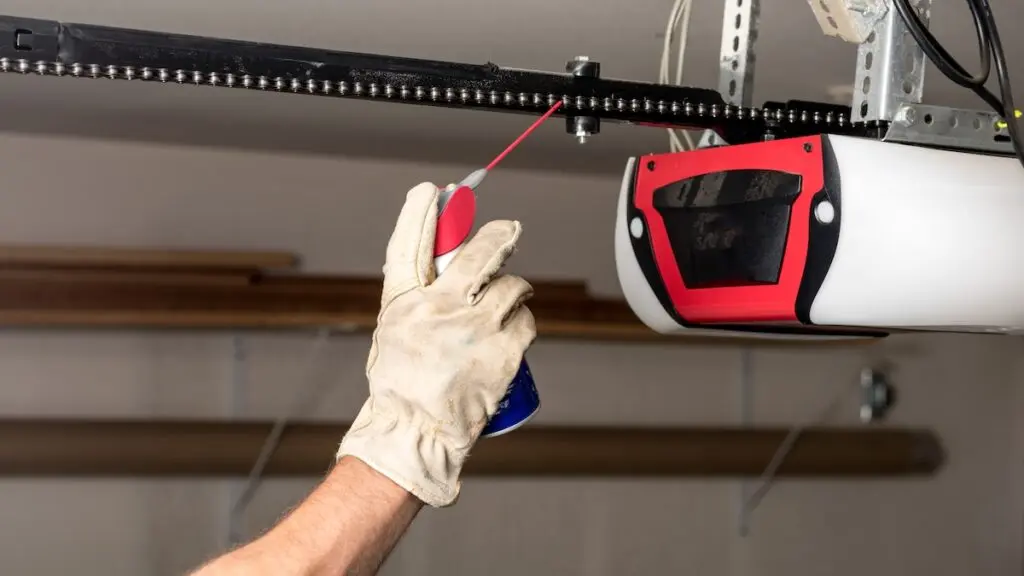
- Hinges and rollers: Apply silicone-based lubricant to hinges and roller bearings.
- Springs: Lightly coat the coils to prevent rust and sticking.
- Tracks: Wipe away dirt before lubricating for smoother travel.
Avoid grease-based lubricants—they attract dust and grime that can make the issue worse.
5. Reset the Opener
Sometimes your opener just needs a quick reset to get back on track.
- Unplug for 30 seconds: Reset the opener’s internal circuit.
- Reconnect the power: Wait for the system lights to stabilize.
- Re-sync remotes: Follow your manual to re-pair wireless devices.
If the door still doesn’t move, a circuit board or motor failure could be to blame.
6. Test the Door Balance
A door that’s out of balance can strain your opener and cause it to stop mid-motion.
- Manual lift test: Disconnect the opener and lift the door halfway.
- Check balance: A properly balanced door stays in place without falling.
- Unbalanced door: If it drops or rises, spring tension needs adjustment.
Only trained professionals should handle spring adjustments due to the high level of stored energy.
When to Call a Professional
If you’ve completed these checks and the door still won’t budge, it’s time for expert help. Professional technicians have the tools and training to handle high-tension components safely.
- Broken springs or cables: These require specialized equipment to replace.
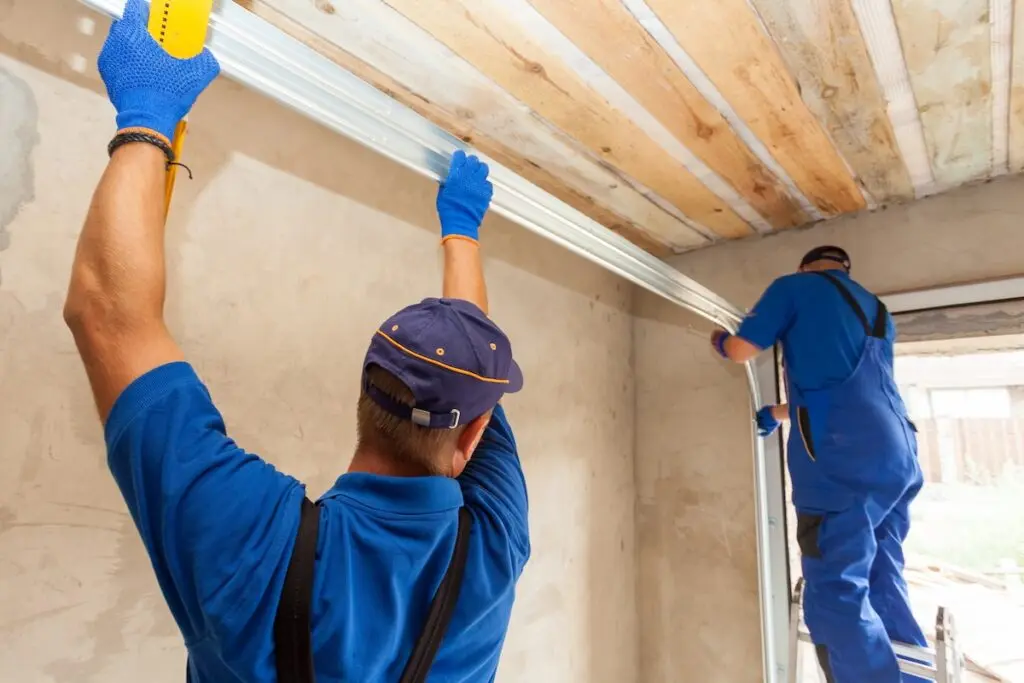
- Track realignment: Precise measurements ensure smooth and quiet operation.
- Motor or wiring issues: Professionals can test and replace faulty openers safely.
- Complete inspection: Experts verify balance, sensors, and safety features in one visit.
Professional service saves time, prevents injuries, and protects your garage door investment.
Preventing Future Stuck Doors
The best way to avoid a jammed garage door is with consistent maintenance and care. Simple habits can dramatically extend the life of your system.
- Seasonal tune-ups: Schedule maintenance twice a year for peak performance.
- Lubrication: Reapply lubricant every few months to keep parts moving smoothly.
- Regular cleaning: Keep tracks, sensors, and panels free of dirt and grime.
- Professional inspection: Annual checkups catch small issues before they worsen.
Preventive maintenance ensures your garage door operates safely and quietly year-round.
Why Trust Genson Overhead Door
When your garage door gets stuck, Genson Overhead Door provides fast, professional service you can count on. With more than 40 years of experience, our certified technicians have seen—and fixed—it all. From opener replacements to spring repairs, we deliver reliable, long-lasting solutions tailored to Central New York homes and weather conditions.
If your garage door won’t move or seems off balance, don’t wait for the problem to get worse. Contact Genson Overhead Door today to schedule service or request a free repair quote. Our team will get your door back in perfect working order—quickly, safely, and professionally.