
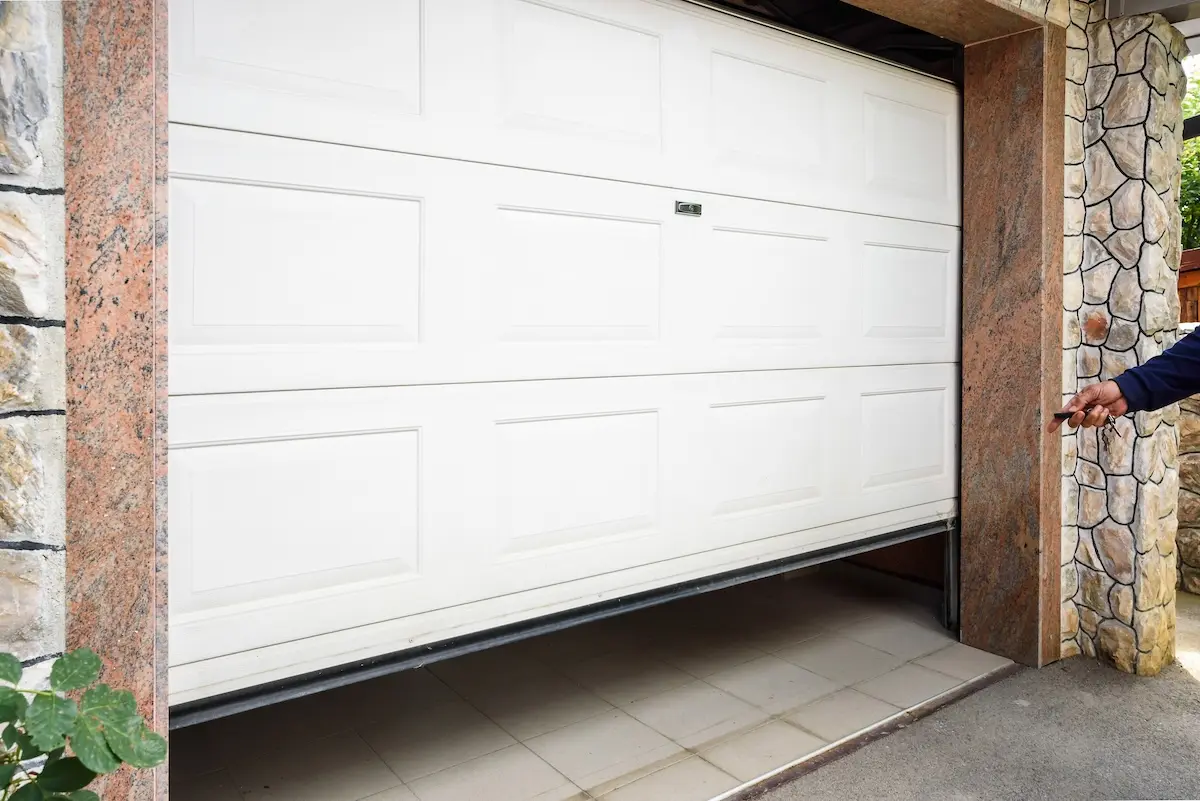
A broken garage door can be more than an inconvenience—it can disrupt your daily routine, compromise safety, and even damage your home’s security. Knowing the right steps to take helps you stay safe, avoid further damage, and decide when it’s time to call a professional repair service like Genson Overhead Door.
Understanding what causes door malfunctions and how to respond quickly can save time, stress, and money while keeping your garage system in great shape.
- Safety first: Never force a garage door to open or close if it’s jammed or off balance.
- Timely response: Addressing issues early can prevent major repairs down the road.
- Professional insight: Technicians can fix complex problems that DIY methods can’t safely handle.
Why Garage Door Breakdowns Happen
Garage doors are hardworking systems that endure thousands of cycles every year. Over time, normal wear, weather conditions, or mechanical issues can cause them to malfunction.
Common reasons your garage door may break include:
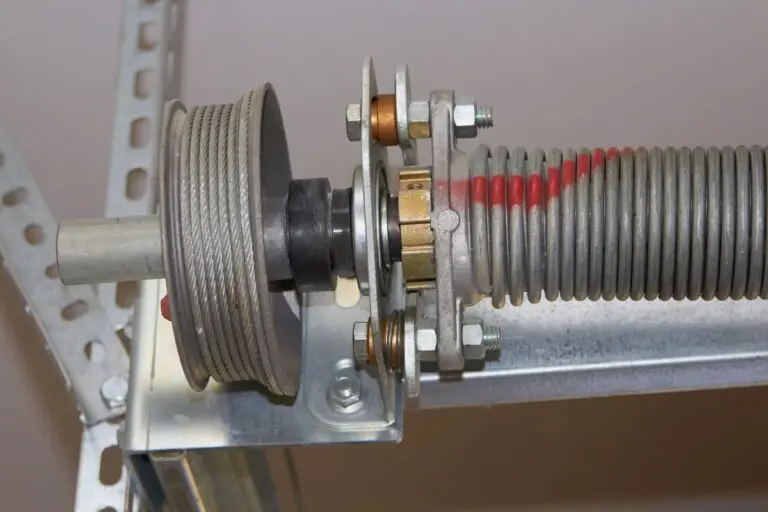
- Worn springs: These are under constant tension and eventually lose their strength.
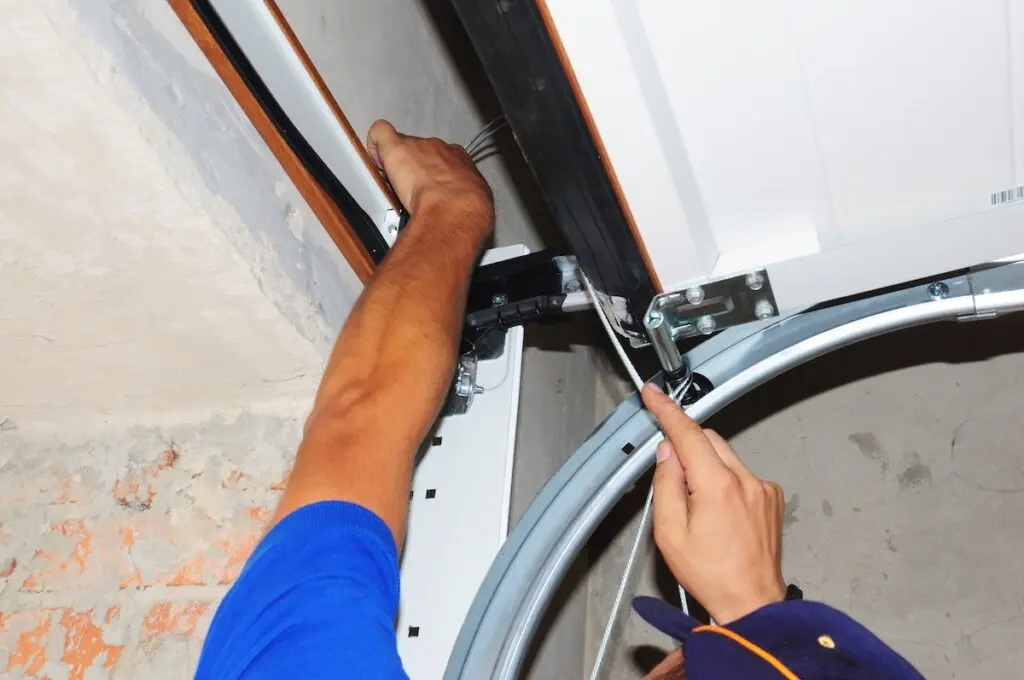
- Frayed cables: Damaged cables can cause sudden door drops or uneven movement.
- Misaligned tracks: Tracks can shift from vibration or accidental impact.
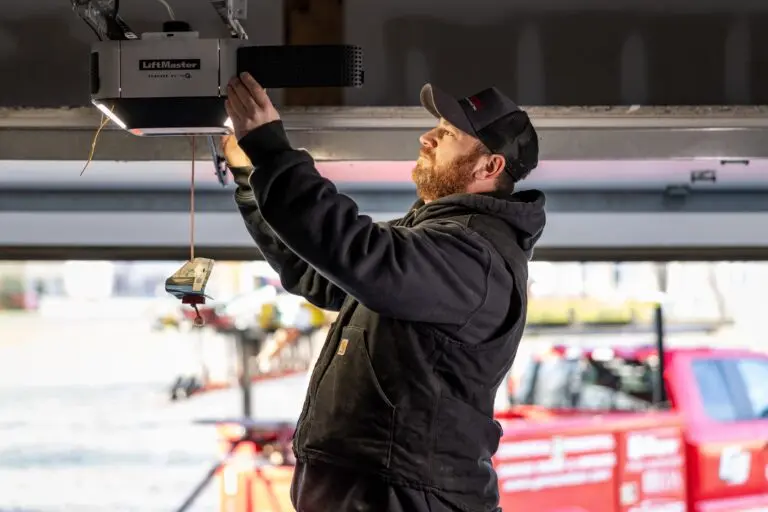
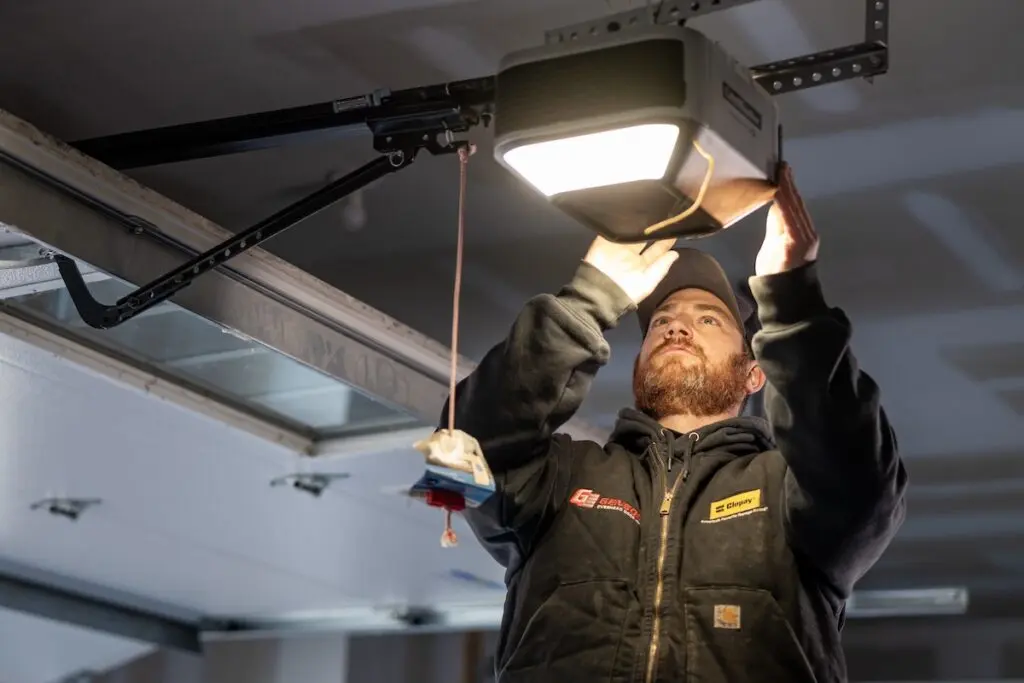
- Opener issues: Faulty sensors, gears, or motors can disrupt the opener’s function.
- Weather damage: Moisture, salt, and temperature swings can cause corrosion and warping.
Recognizing these causes early helps you determine whether the issue can be fixed at home or if a professional technician should step in.
DIY vs Professional Repair: How to Decide
Some homeowners try to fix garage door issues on their own, while others prefer calling a professional immediately. Understanding the difference between what you can do safely and what requires specialized training is key.
- DIY-friendly tasks: Lubricating hinges, cleaning tracks, or tightening loose hardware.
- Professional repairs: Replacing springs, realigning tracks, or handling electrical issues.
- Risk factor: Springs and cables are under extreme pressure and can cause injury if handled incorrectly.
In most cases, a DIY approach is only suitable for light maintenance, not full mechanical repairs.
8 Steps to Deal With a Broken Garage Door
Here’s a step-by-step breakdown of what to do when your garage door stops working properly.
1. Stop Using It Immediately
If your garage door looks crooked, moves unevenly, or makes grinding noises, stop operating it. Forcing a malfunctioning door to open or close can damage key components like the motor, tracks, and rollers. Disconnect the opener, and avoid using manual lift until you know what’s wrong.
2. Check for Obvious Obstructions
Inspect both tracks and the area around the door for any debris or blockages. Small objects like rocks, tools, or leaves can prevent smooth operation.
- Track debris: Dust and grime buildup can block roller movement.
- Loose items: Garden tools or storage bins might obstruct the track area.
- Weather stripping: Torn or misaligned seals can jam against the frame.
3. Inspect the Hardware
Visually examine the hinges, cables, and rollers for damage or wear. A broken spring or frayed cable is a sign to stop immediately and call for service.
- Hinge cracks: Can cause misalignment and uneven lifting.
- Loose bolts: Add strain to other components and cause rattling.
- Worn rollers: Can lead to jerky, noisy operation.
4. Test the Balance
Disconnect your garage door from the opener and lift it manually halfway. A balanced door should remain steady in place.
- If it falls: The springs have likely lost tension.
- If it rises: There’s too much tension and it needs adjustment.
- If it feels heavy: A broken spring may be the cause
Never try to adjust torsion springs on your own. These parts require professional tools and expertise.
5. Try Simple Maintenance Tasks
If you don’t see serious damage, perform a few basic maintenance steps to restore smooth motion.
- Lubricate moving parts: Use silicone-based lubricant on rollers and hinges.
- Tighten loose hardware: Check brackets and bolts for secure placement.
- Clean the tracks: Wipe away buildup that can cause friction.
If your door still struggles, it’s best to call a professional before continuing.
6. Identify Warning Sounds
Different sounds point to different mechanical issues. Listen closely to what your door is “telling” you.
- Grinding: The rollers or opener gear may be worn down.
- Popping: The torsion spring could be stretching unevenly.
- Squeaking: Dry hinges or rollers need lubrication.
Loud bangs can signal a snapped spring—if you hear one, stop using the door immediately.
7. Call in the Professionals
Once you’ve identified that the problem goes beyond simple maintenance, it’s time to bring in a qualified garage door technician. Professional repairs ensure safety, long-term reliability, and full system performance.
- Spring replacement: Done safely with specialized tools.
- Track realignment: Ensures smooth, balanced operation.
- Opener repair: Restores quiet and consistent movement.
Technicians will inspect every component, lubricate the system, and test the balance to confirm everything works perfectly before leaving.
8. Schedule Routine Maintenance
After the door is repaired, preventive care helps avoid future breakdowns. Routine maintenance keeps your system smooth, quiet, and safe year-round.
- Seasonal checkups: Twice-yearly inspections prevent major issues.
- Lubrication routine: Every few months for hinges and rollers.
- Professional tune-ups: Adjust spring tension, test sensors, and check opener performance.
Staying proactive extends the life of your garage door and minimizes costly repairs.
Common Mistakes to Avoid
When homeowners encounter a broken garage door, rushing to fix it often makes matters worse. Avoid these common pitfalls to protect your system and your safety.
- Ignoring warning signs: Strange noises or slow movement mean something’s wrong.
- Forcing movement: Never push or pull a jammed door.
- Skipping maintenance: Dirt, rust, and neglect shorten the system’s lifespan.
- DIY spring repair: This is one of the most dangerous home maintenance tasks.
Knowing what not to do is just as important as taking the right steps toward repair.
Why Trust Genson Overhead Door
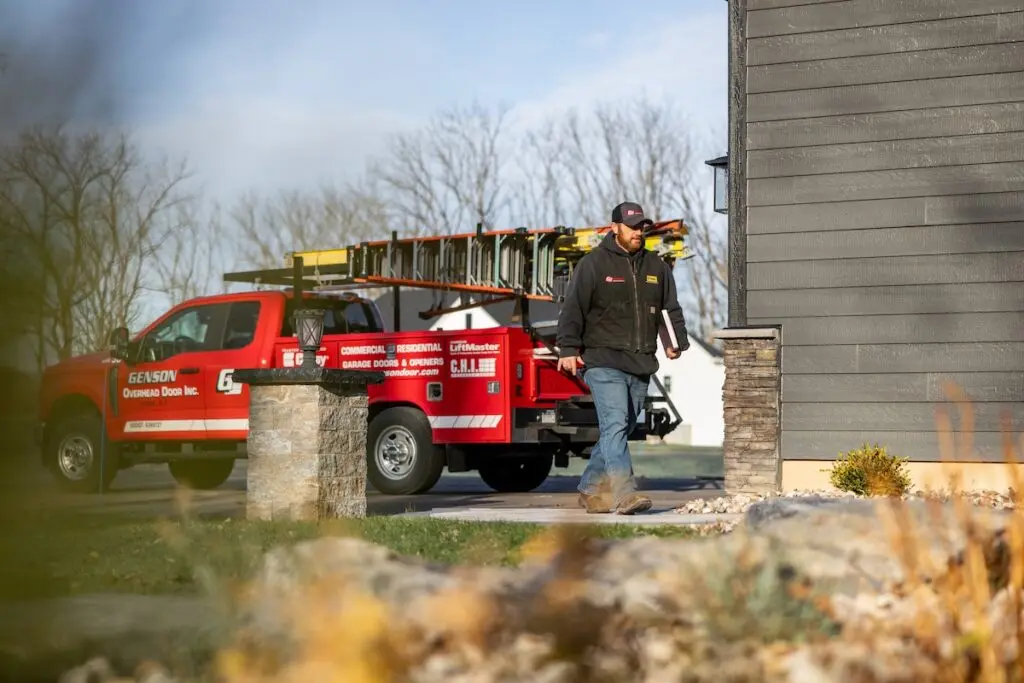
When a garage door fails, Genson Overhead Door is the name homeowners across Central New York trust. Our team has over 40 years of experience providing dependable installation, repair, and maintenance services tailored to local homes and weather conditions.
We combine expert craftsmanship, reliable products, and honest communication to ensure every job is done safely and correctly. Whether you’re dealing with a broken garage door or need preventive maintenance, we have the expertise to restore your peace of mind.
If your garage door isn’t working properly, contact Genson Overhead Door today for professional service or to request a free quote. We’ll get your system running smoothly again—quickly, safely, and with lasting results.